
Moving Abroad: How Work Relocation Differs from Forced Relocation and How to Build Your Career
February 27, 2026Relocation always changes life. But in my coaching practice, I see that it is not just the fact of moving that matters, but how and why it happened. This determines the career development strategy, the level of confidence, and even the pace of rebuilding one’s professional identity.
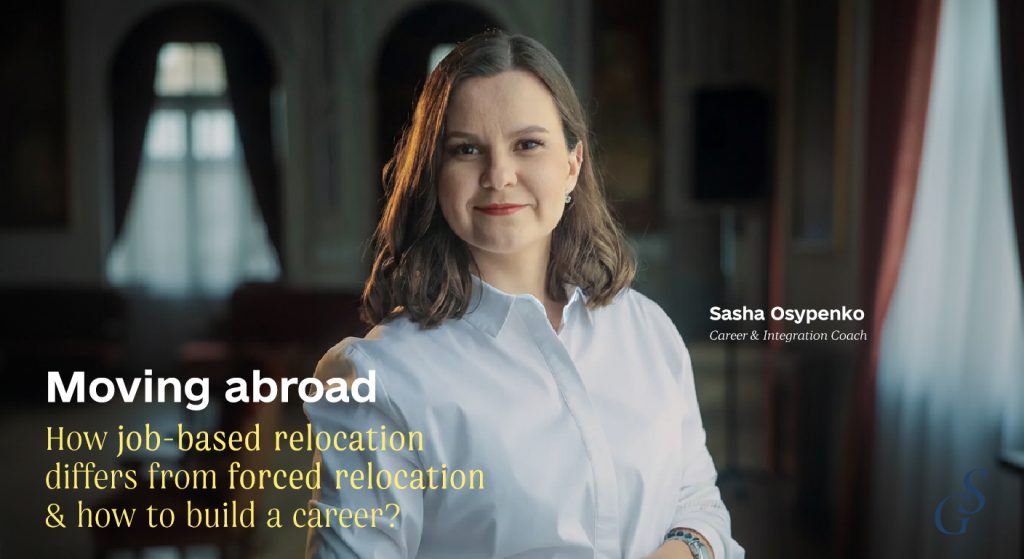
There is a big difference between a person who moved abroad by personal choice for work and a person who was forced to leave their country because of war or crisis. And this difference is not about “better” or “worse.” It is about context.
Voluntary Relocation: A Growth Strategy
When a person relocates for work, they usually already have a clear understanding of their direction. It may be a contract, a new project, a promotion, or international experience. In this case, the move is part of a career strategy. Yes, adaptation is still required – a new culture, a different communication style, different expectations. But the foundation remains stable. The person continues building their professional trajectory, just in a new context.
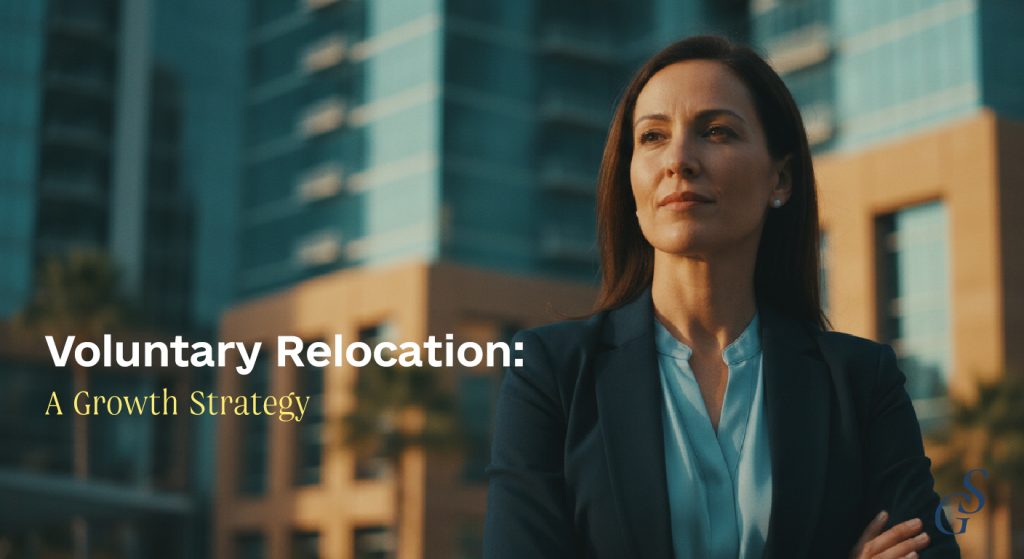
This group usually made a conscious decision to move.
They often:
• planned the relocation in advance
• had a job offer before moving
• saw the move as a career opportunity
• were mentally prepared for change
For example, let’s imagine Daniel. He accepted an offer from a company in Germany because he wanted to grow professionally and gain international experience. After relocating, he encounters a more direct communication style, more structured processes, and higher expectations regarding precision. In coaching with such a client, we work on adaptation, positioning, and a strategy for further growth. Here, the goal is to strengthen an already existing career.
However, after arrival, he realizes:
• the corporate culture is different
• expectations are more structured
• communication style requires adaptation
• he feels less confident in meetings
In coaching, Daniel works on:
• professional positioning
• intercultural communication
• leadership presence
• long-term career planning in the new country
His challenge is not survival – it is optimization.
He already has stability. Now he wants strategic growth.
Forced Relocation: Recovery and a New Structure
A completely different situation is that of a person who relocated involuntarily. In such cases, it is often not just a change of country, but a sudden reset of the familiar professional context. A career may be interrupted, diplomas and experience may require recognition or re-evaluation, and along with this comes uncertainty. Sometimes there is also emotional strain and a feeling of losing control.
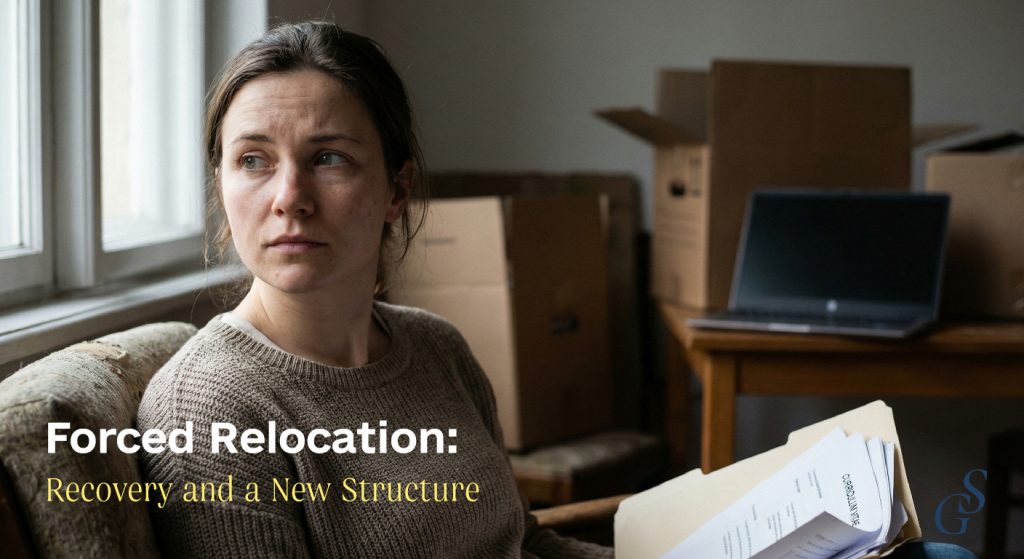
This group did not choose the relocation freely.
Their move is often associated with:
• sudden life changes
• loss of stability
• emotional stress
• uncertainty about the future
• interruption of career plans
Let’s imagine Olena. Before relocating, she worked as a marketing specialist and felt confident in her profession. After the forced move, she faces a language barrier, questions about credential recognition, and the feeling that she needs to start almost from scratch. In coaching in such a case, the focus is first directed toward rebuilding professional identity: we redefine strengths, translate experience into the language of the new country, and create a realistic plan for entering the job market.
After relocating to Germany due to war, she faces:
• language barriers
• credential recognition questions
• confidence loss
• uncertainty about how to re-enter the labor market
In coaching, the focus is different:
• rebuilding professional identity
• translating experience into the local context
• understanding the German job market
• creating a realistic re-entry strategy
• restoring confidence
Here, the goal is not to “grow faster,” but to restore structure and clarity.
Key Differences From a Coaching Perspective
| Aspect | Voluntary Work Relocation | Forced Relocation |
|---|---|---|
| Emotional state | Mostly stable | Often stressed or uncertain |
| Career continuity | Usually planned | Often interrupted |
| Primary goal | Growth & optimization | Rebuilding & reorientation |
| Confidence level | Moderate to high | May require support |
| Strategy focus | Advancement | Re-entry and clarity |
What Both Groups Have in Common
At the same time, both groups have something in common. Whether someone relocated for work or found themselves in a new country due to external circumstances, they need to adapt to the labor market, understand its rules, and learn how to position themselves in a new context. The difference lies only in the starting point and the level of emotional strain.
Despite different starting points, both groups may experience:
• cultural adaptation challenges
• professional positioning questions
• need for clear goals
• decision fatigue
• uncertainty about next steps
Career coaching provides:
• structure
• clarity
• personalized action plans
• decision frameworks
• accountability
• confidence rebuilding
From the perspective of a career coach, it is important not to compare these situations, but to take their specific characteristics into account. Because the strategy must always correspond to the person’s reality.
Support Systems in Germany
Separately, it is worth noting that in Germany there are state-supported instruments for professional development. In some cases, assistance may be provided through Agentur für Arbeit or Jobcenter, including funding for training in the form of a Bildungsgutschein, which is issued to finance professional courses, coaching, and training programs. The possibility of receiving such support depends on the individual situation and the official assessment of the advisor.
I offer coaching within German government program. Meaning if you are registered with Jobcenter or Agentur für Arbeit anywhere in Germany, you can request a voucher “Bildungsgutschein” for JobCoaching.
Before contacting Agentur für Arbeit or Jobcenter, you can reach out for a 20-min free session with me. We will clarify your goals, assess whether the program is the right fit for your situation, and prepare clear arguments for your request to JobCenter.
Thorough preparation significantly increases your chances of approval.
If a person wants to understand which steps are best to take, it is helpful to first clearly define their career goal. Only after that can options for support and funding be discussed in a more specific way.
Relocation is not just about geography. It is a transitional phase in life. And in such moments, structure, strategy, and clarity about one’s direction are especially important.
Career coaching in this situation does not aim to “do things for the person,” but rather to restore clarity, confidence, and control over their professional future.
If you are currently in a new country and would like to understand how to build your further career path, it may be worthwhile to discuss your situation individually and define the next step.
Books That Can Support You at Different Stages of Relocation
Relocation is not only about documents and work. It is an intellectual and emotional transition. And at different moments, different sources of support can be helpful.
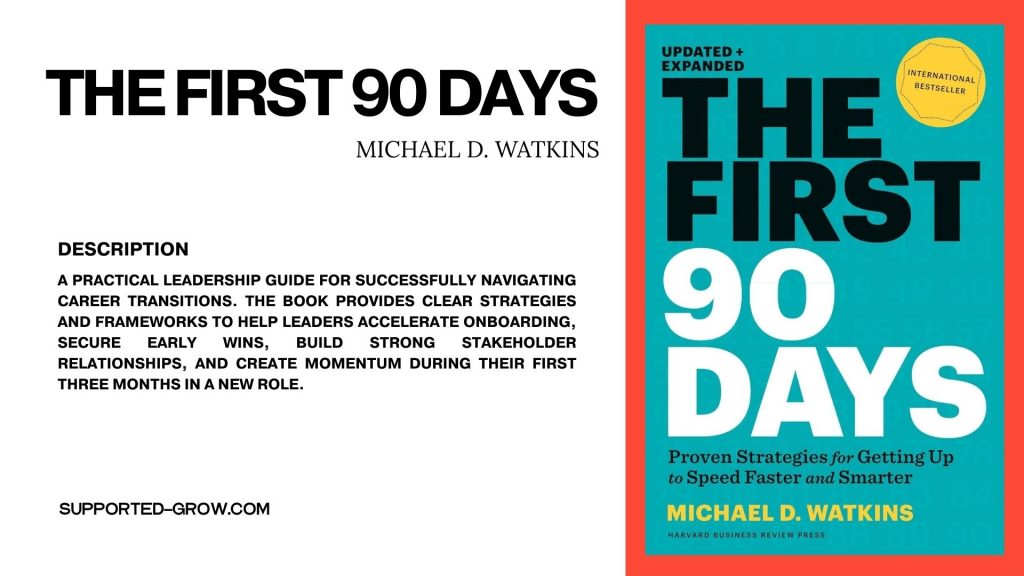
For those who relocated for work and are currently going through the adaptation phase in a new professional environment, I often recommend The First 90 Days by Michael Watkins. It helps to approach the first months in a new role in a structured way: to understand how to build trust, how to analyze the context, and how to avoid common mistakes during a transition period.
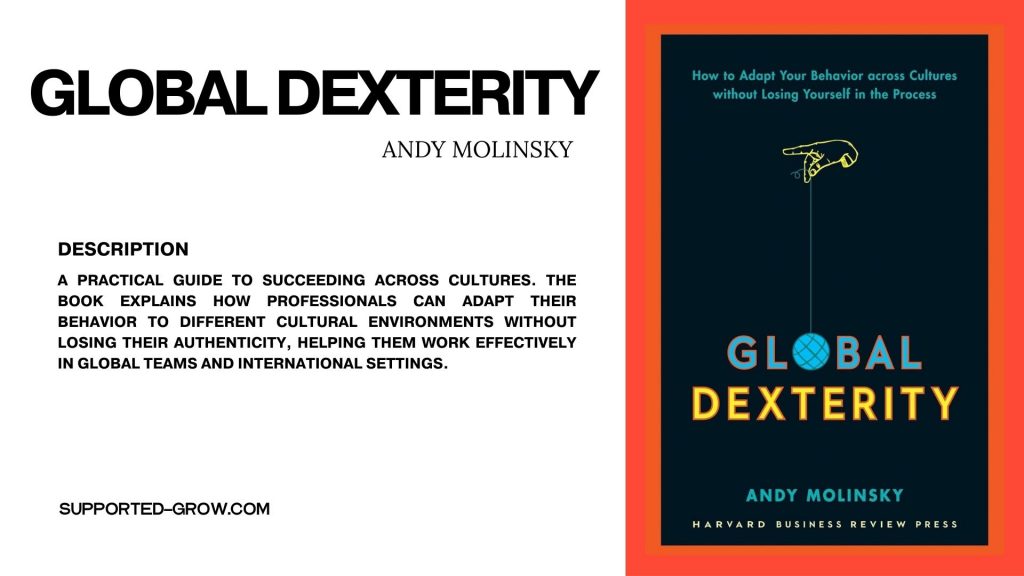
If the main challenge is cultural adaptation and the need to “fit in” to a new environment while maintaining your authenticity, the book Global Dexterity by Andy Molinsky can be very helpful. It explains in detail how to adapt your communication and behavior style in an international setting without feeling that you are losing yourself.
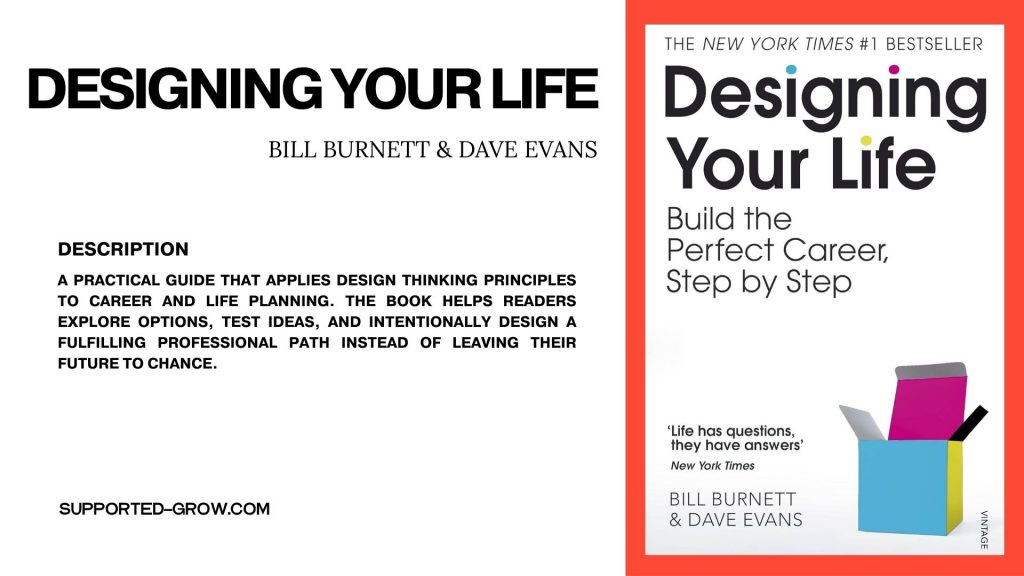
For those who see relocation as an opportunity to strategically rethink their career, Designing Your Life by Bill Burnett and Dave Evans is worth exploring. The book предлагает an approach to career as a project that can be consciously “designed,” rather than simply shaped by circumstances.
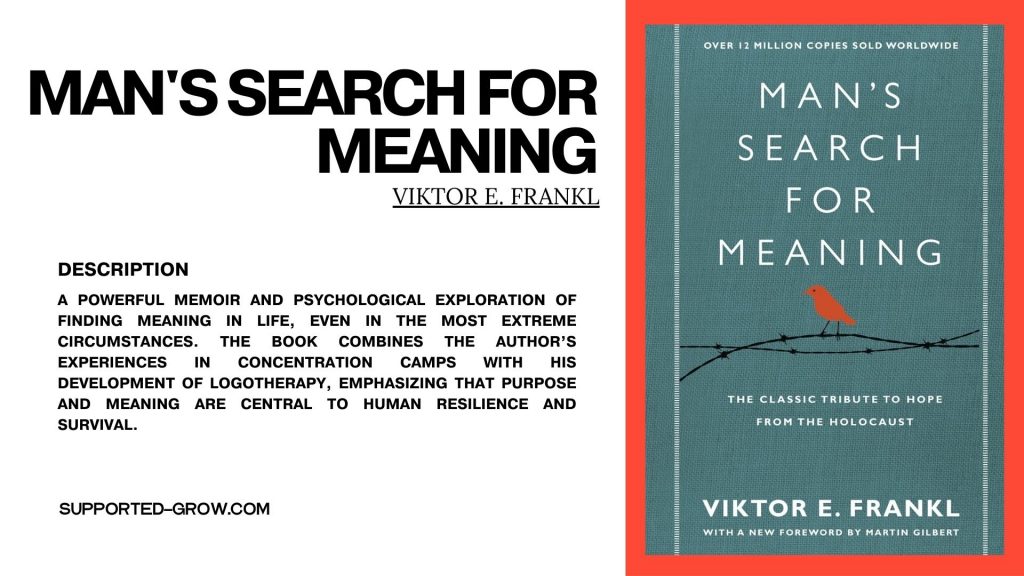
A completely different internal need arises for those who relocated involuntarily. In such cases, the themes of resilience and meaning are especially important. The classic work Man’s Search for Meaning by Viktor Frankl helps one look at difficult circumstances from a different perspective and find an inner point of support even in crisis situations.
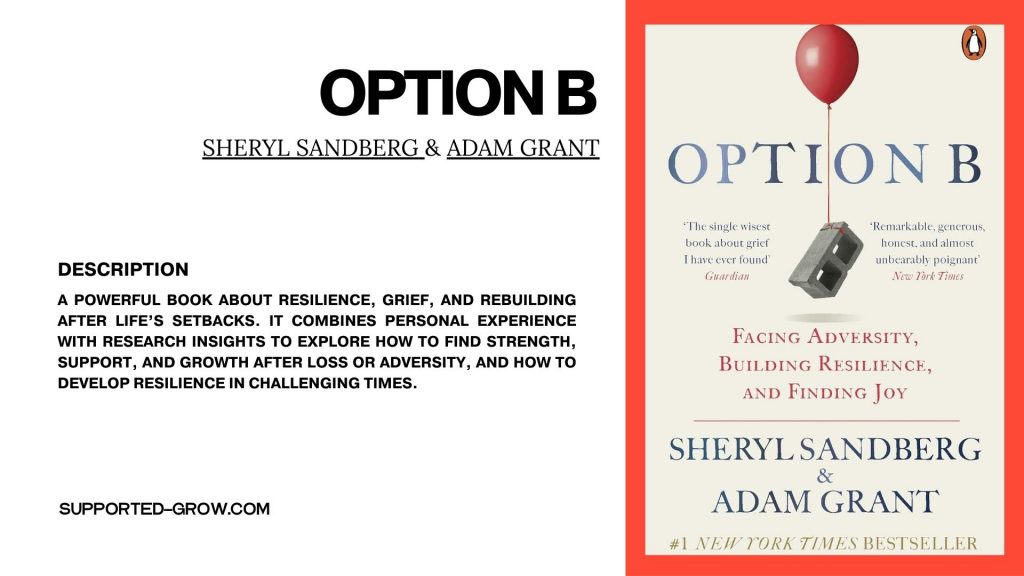
The book Option B by Sheryl Sandberg is about life after unexpected losses and the changes we do not choose. It resonates well with people who find themselves in a new reality without a prior plan.
And regardless of the type of relocation, Mindset by Carol Dweck can be valuable. It helps one see the adaptation period not as a failure or a “reset,” but as a stage of growth and the development of new competencies.
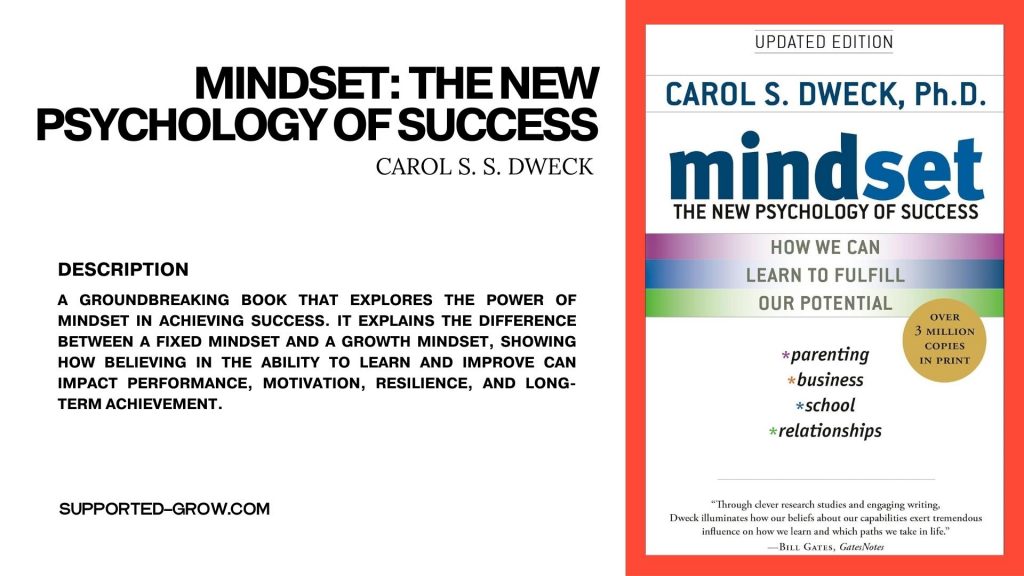
Books, of course, do not replace structured work on a career strategy, but they can serve as an additional source of resilience and an expansion of perspective during a transition period.
Ready to plan your next step?
If you felt a resonance with one of these stories, it is not just a coincidence. It is a signal from your internal system that it is time to move out of uncertainty mode and build a clear career path.
Many of my clients came to me at exactly this stage:
when they already had skills and experience, but no clear understanding of where to move next;
when questions constantly lived inside them – “Am I doing the right thing?”, “What are my strengths?”;
or when, after relocating, it felt as if everything was starting from scratch.
And most often, the problem was not that people lacked something. The issue was that there was no structure, plan, and support that could be applied here and now.
Career coaching is not magic and not ready-made answers; it is collaborative work on your professional story and the development of a strategy that allows you to move forward with confidence.
If you would like to:
✔ understand which career path is right for you
✔ identify your strengths and learn how to develop them
✔ create a practical plan for job search or transitioning into a new field
✔ understand how to use local opportunities (including Bildungsgutschein)
✔ or simply move out of a state of uncertainty —
…then let’s discuss it in a session.
👉 Book your first free coaching session so we can explore your situation together, clarify your starting point, and outline the first practical steps.
